
Looking for safe and trusted budgeting apps in 2025? This guide provides an overview of the best budgeting apps in the USA, along with honest reviews, practical tips, and money-saving advice.
Best Budgeting Apps 2025: Safe & Trusted Apps for Everyday Money Management
Managing personal finances is important for everyone. In 2025, many people in the United States are seeking safe and reliable budgeting apps to track expenses, save money, and plan their monthly budgets.
This article is written only for educational purposes. We do not promise quick money, guaranteed savings, or financial returns. The goal is to help people understand budgeting apps and choose wisely.
Why Budgeting Apps Matter in 2025
Budgeting apps are becoming popular because:
- Living costs are increasing
- People want better control over spending
- Credit card usage is rising
- Many users want simple alternatives after the Mint shutdown
A budgeting app helps you track income and expenses, but financial results depend on personal discipline.
👉 You may also like:
How Monthly Budgeting Helps You Save MoneyNo Buy 2025 Movement: Why Millions Are Pressing Pause on Spending This Year
Top Budgeting Apps in the USA (2025)
1. YNAB (You Need A Budget)
Best for: Long-term budgeting and expense planning
Features:
- Zero-based budgeting system
- Helps plan monthly expenses
- Detailed reports and guides
Pros:
- Strong budgeting structure
- Helpful learning resources
Cons:
- Paid subscription
- Learning curve for beginners
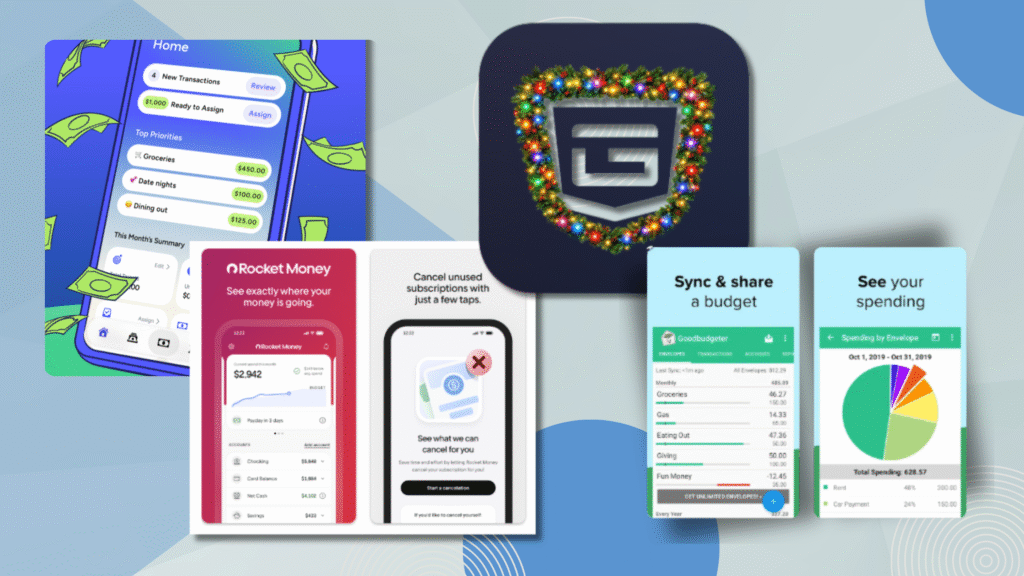
2. Rocket Money
Best for: Expense tracking and subscription monitoring
Features:
- Tracks spending automatically
- Alerts for subscriptions
- Simple monthly overview
Pros:
- Easy to use
- Good for beginners
Cons:
- Some premium features are paid for
3. PocketGuard
Best for: Simple daily money tracking
Features:
- Shows “available spending” balance
- Connects with bank accounts
- Budget reminders
Pros:
- Beginner-friendly
- Clean interface
Cons:
- Limited advanced budgeting tools
4. EveryDollar
Best for: Basic monthly budgeting
Features:
- Income vs expense view
- Manual and automatic entry options
- Monthly planning tools
Pros:
- Simple layout
- Easy to understand
Cons:
- Limited analytics
5. Goodbudget
Best for: Envelope-style budgeting
Features:
- Digital envelope system
- Manual expense tracking
- No bank login required
Pros:
- Privacy-friendly
- Family sharing option
Cons:
- Manual input required
How to Choose the Right Budgeting App
Before selecting any app, consider:
- Your income type (salary or freelance)
- Monthly expenses
- Comfort with paid apps
- Need for automation or manual control
Are Budgeting Apps Safe to Use?
Most popular budgeting apps use:
- Data encryption
- Read-only bank access
- Secure authentication
However, users should:
- Use strong passwords
- Enable two-step verification
- Read app privacy policies
Benefits of Using Budgeting Apps
- Better spending awareness
- Helps control unnecessary expenses
- Supports saving habits
- Improves financial planning skills
Budgeting apps are tools, not guarantees.
Final Thoughts
Budgeting apps in 2025 help people understand their money better. They do not promise instant savings, but they can support smarter decisions over time.
Choosing a trusted app and using it consistently can help improve financial awareness.
FAQs – Best Budgeting Apps 2025
Q1. Are budgeting apps free to use?
Many apps offer free versions, but advanced features may require a subscription.
Q2. Are budgeting apps safe for bank connections?
Trusted apps use secure technology, but users should always follow online safety practices.
Q3. Which budgeting app is best for beginners?
PocketGuard and Rocket Money are considered beginner-friendly.
Q4. Can budgeting apps help reduce expenses?
They help track spending and highlight patterns, but results depend on personal usage.
Q5. Do budgeting apps replace financial advisors?
No. Budgeting apps are tools for personal use, not professional financial advice.
Read more